Curated by: Cecilia Fajardo-Hill
Location: Northlight Gallery, 605 E Grant Street Studio Phoenix 85003
February 6 – Feb 28, 2026
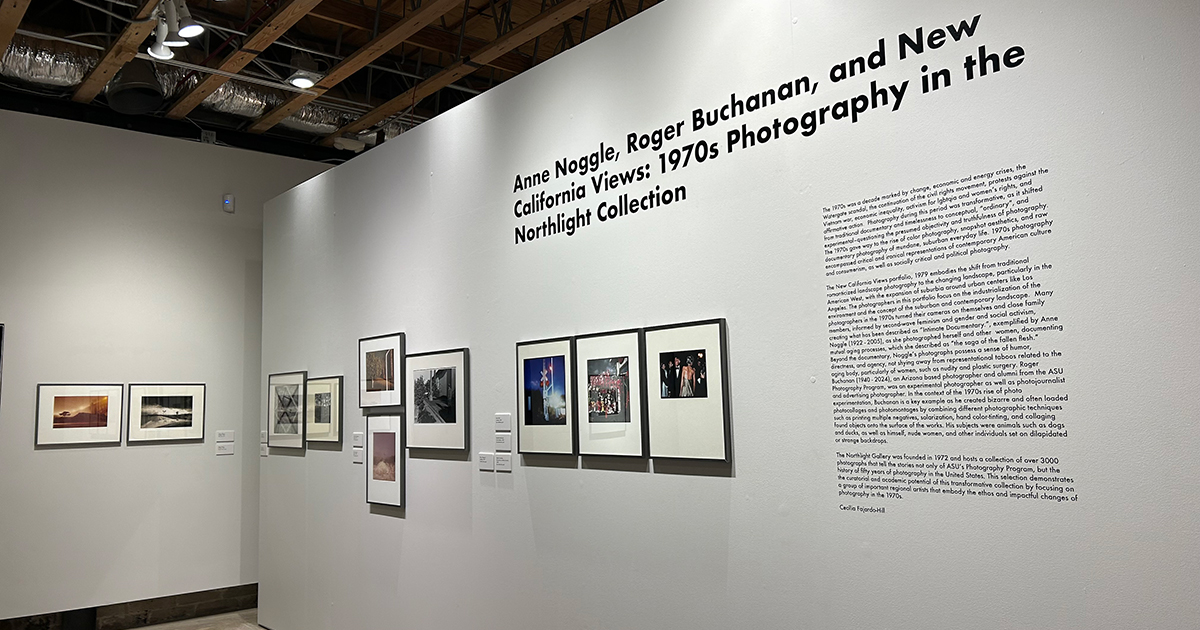
The 1970s was a decade marked by change, economic and energy crises, the Watergate scandal, the continuation of the civil rights movement, protests against the Vietnam war, economic inequality, activism for lgbtqia and women’s rights, and affirmative action. Photography during this period was transformative, as it shifted from traditional documentary and timelessness to conceptual, “ordinary”, and experimental–questioning the presumed objectivity and truthfulness of photography. The 1970s gave way to the rise of color photography, snapshot aesthetics, and raw documentary photography of mundane, suburban everyday life. 1970s photography encompassed critical and ironical representations of contemporary American culture and consumerism, as well as socially critical and political photography.
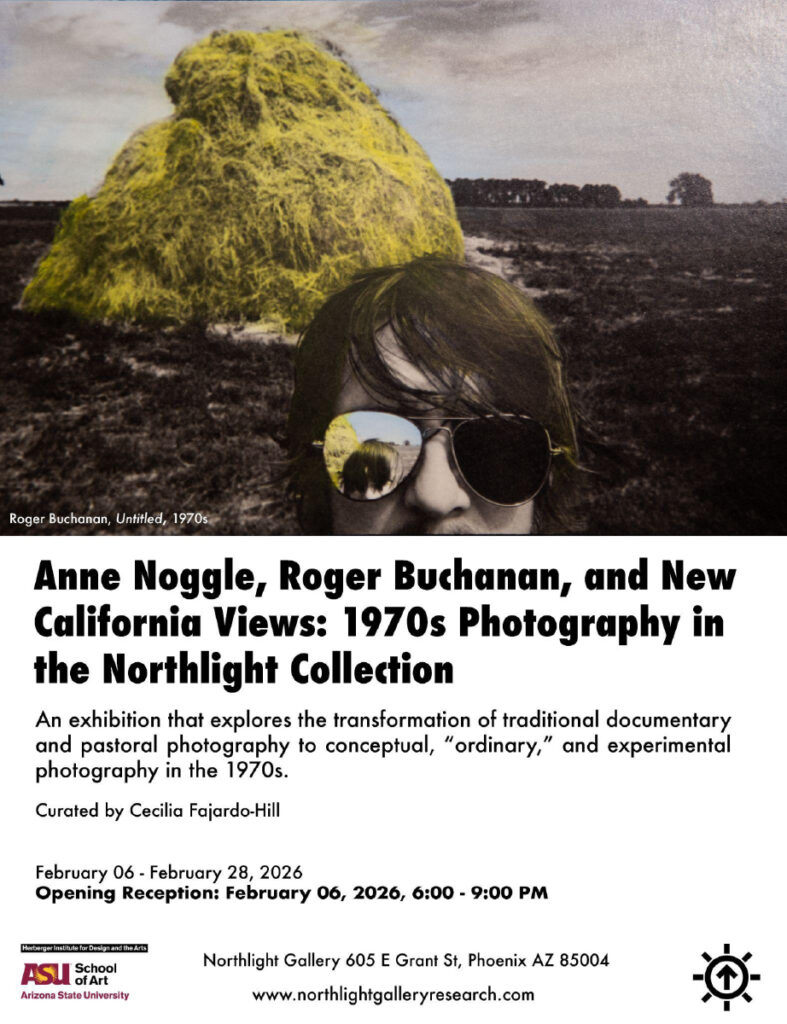
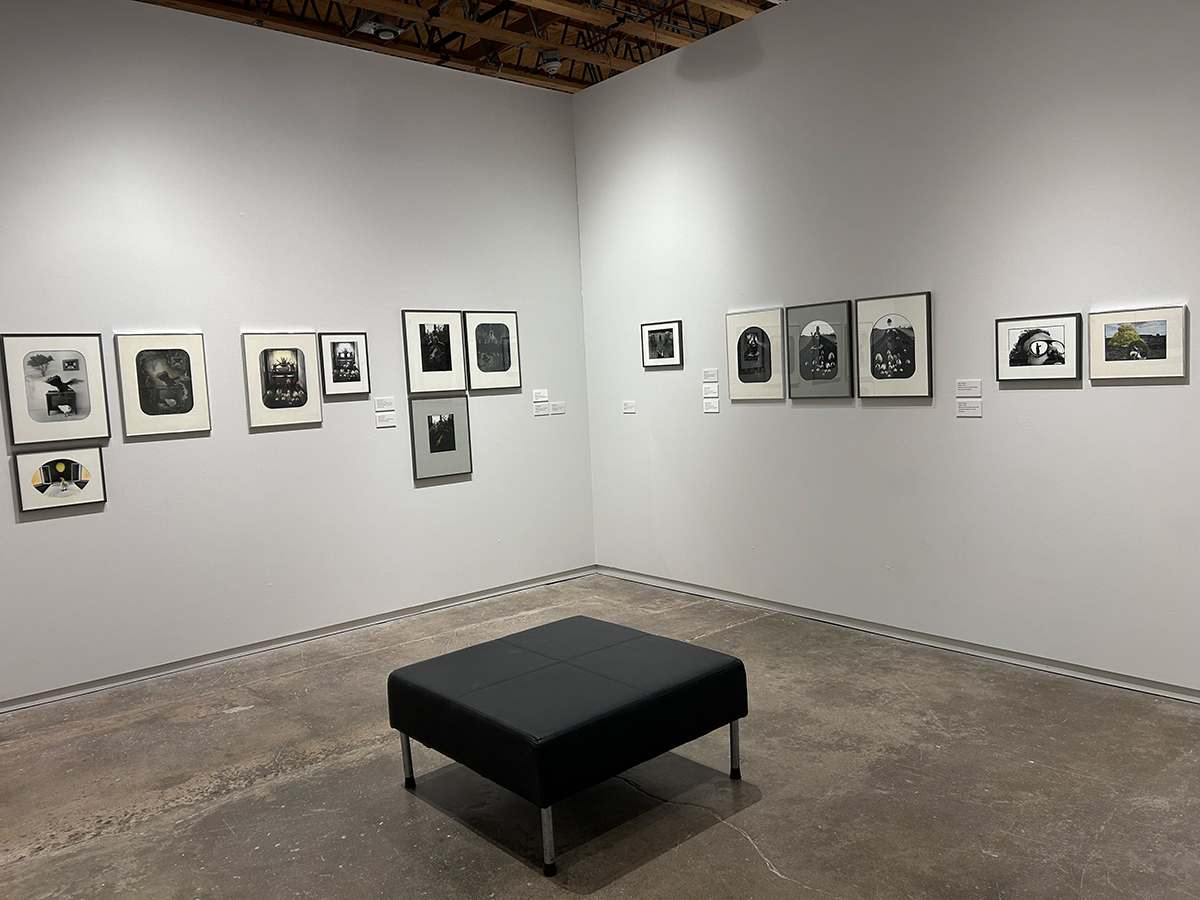
The New California Views portfolio, 1979 embodies the shift from traditional romanticized landscape photography to the changing landscape, particularly in the American West, with the expansion of suburbia around urban centers like Los Angeles. The photographers in this portfolio focus on the industrialization of the environment and the concept of the suburban and contemporary landscape. Many photographers in the 1970s turned their cameras on themselves and close family members, informed by second-wave feminism and gender and social activism, creating what has been described as “Intimate Documentary.”, exemplified by Anne Noggle (1922 – 2005), as she photographed herself and other women, documenting mutual aging processes, which she described as “the saga of the fallen flesh.” Beyond the documentary, Noggle’s photographs possess a sense of humor, directness, and agency, not shying away from representational taboos related to the aging body, particularly of women, such as nudity and plastic surgery. Roger Buchanan (1940 – 2024), an Arizona based photographer and alumni from the ASU Photography Program, was an experimental photographer as well as photojournalist and advertising photographer. In the context of the 1970s rise of photo experimentation, Buchanan is a key example as he created bizarre and often loaded photocollages and photomontages by combining different photographic techniques such as printing multiple negatives, solarization, hand color-tinting, and collaging found objects onto the surface of the works. His subjects were animals such as dogs and ducks, as well as himself, nude women, and other individuals set on dilapidated or strange backdrops.
The Northlight Gallery was founded in 1972 and hosts a collection of over 3000 photographs that tell the stories not only of ASU’s Photography Program, but the history of fifty years of photography in the United States. This selection demonstrates the curatorial and academic potential of this transformative collection by focusing on a group of important regional artists that embody the ethos and impactful changes of photography in the 1970s.

Anne Noggle
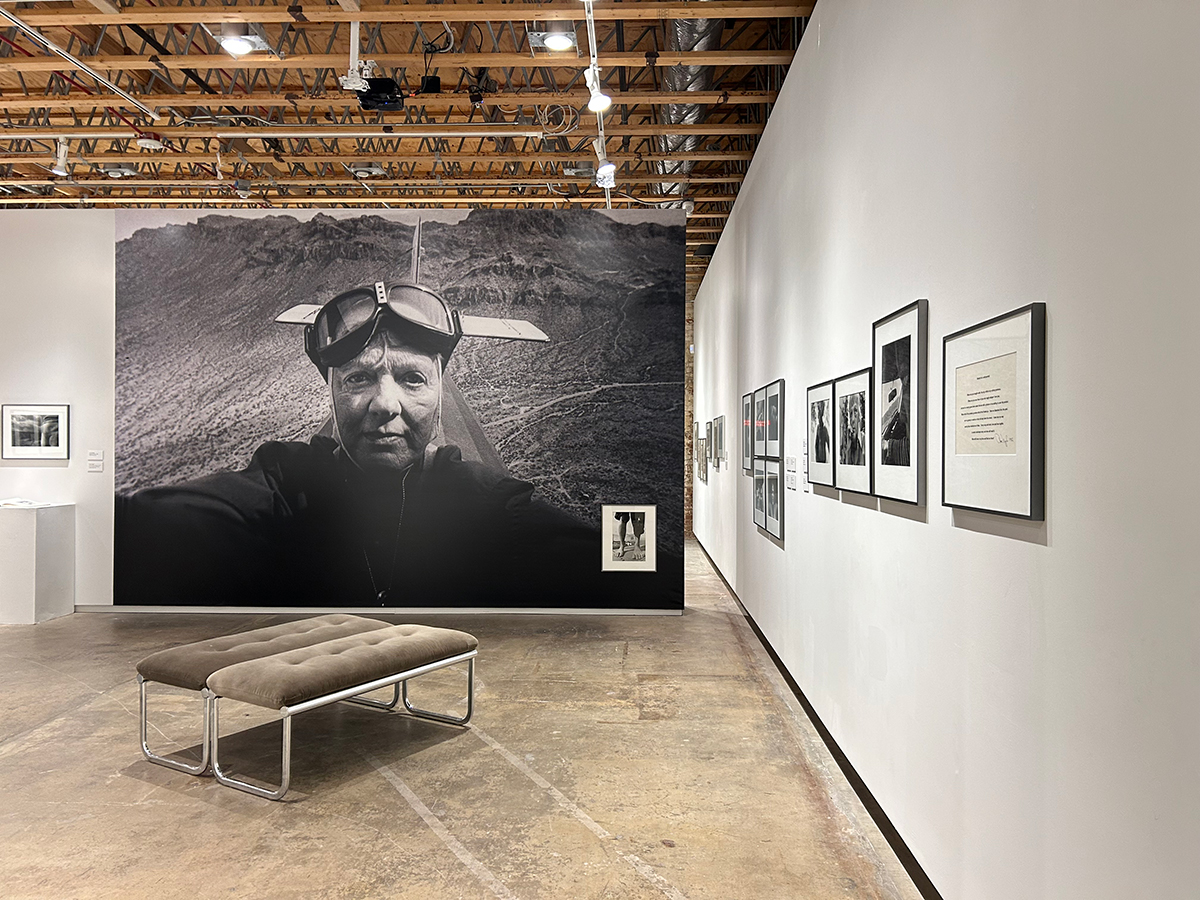
Anne Noggle view
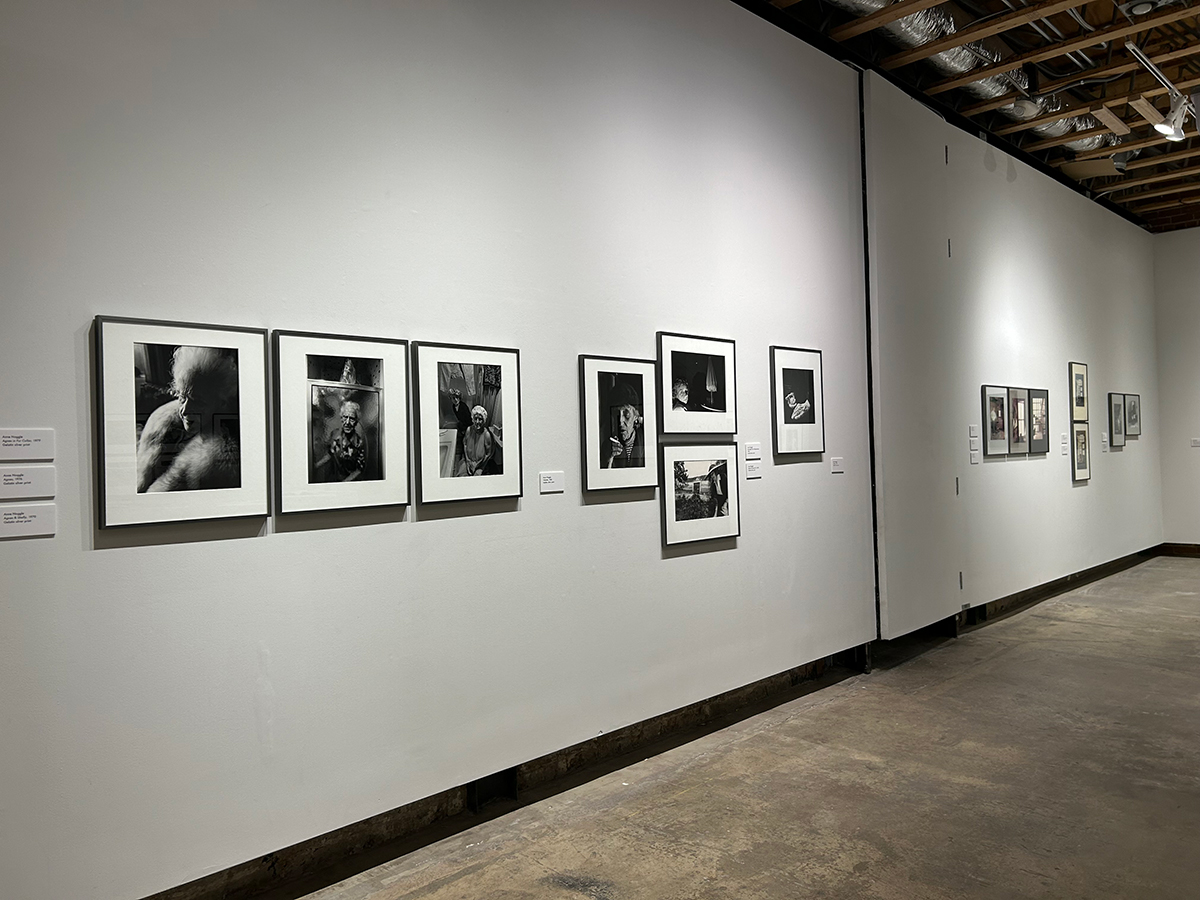
Anne Noggle view
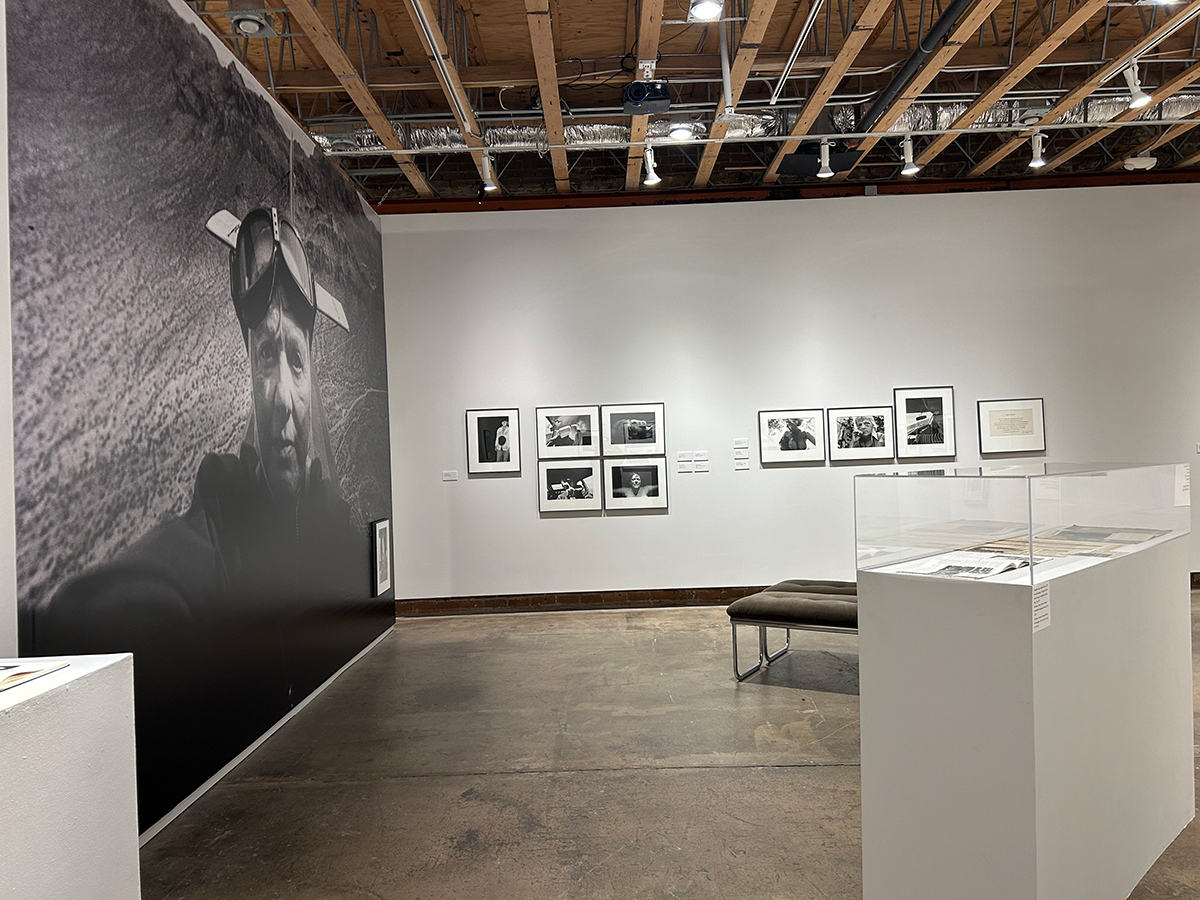
Roger Buchanan
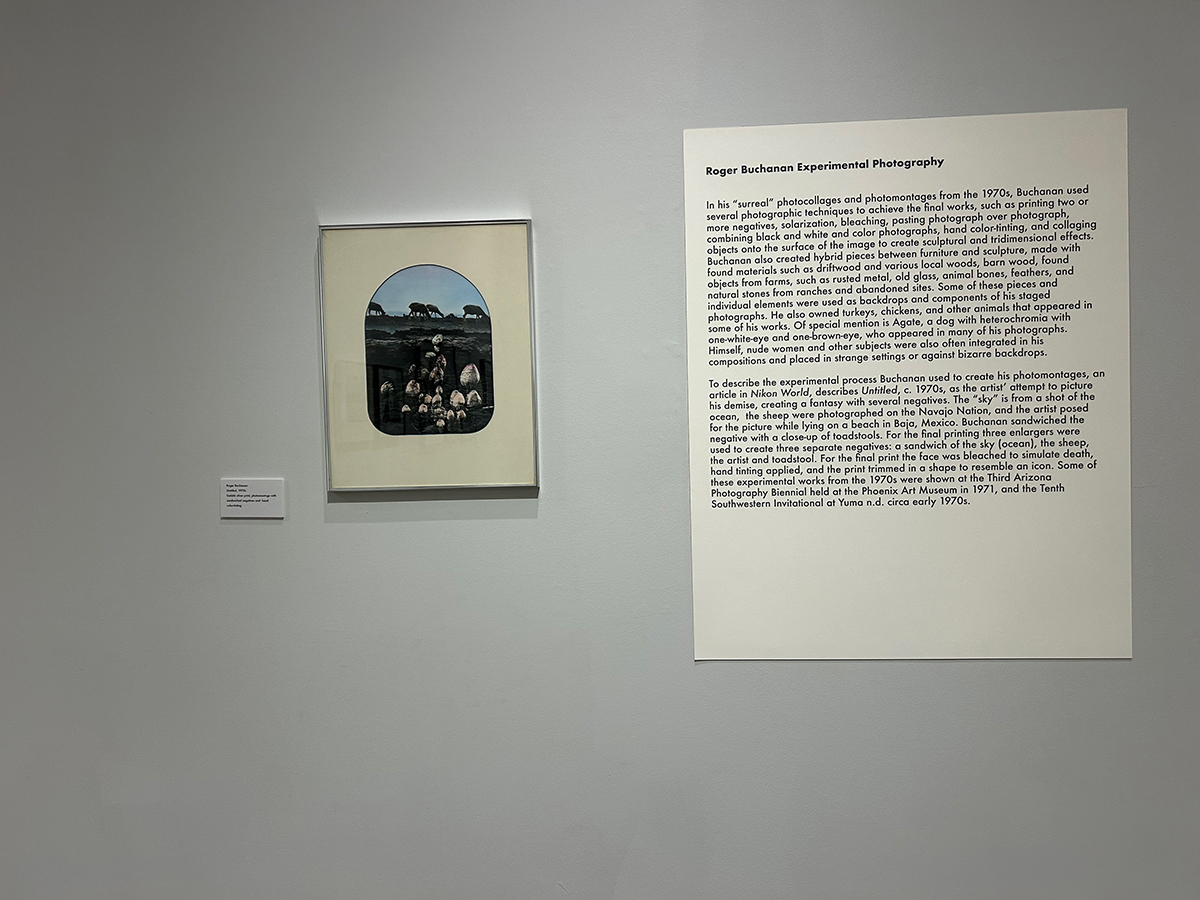
Roger Buchanan view
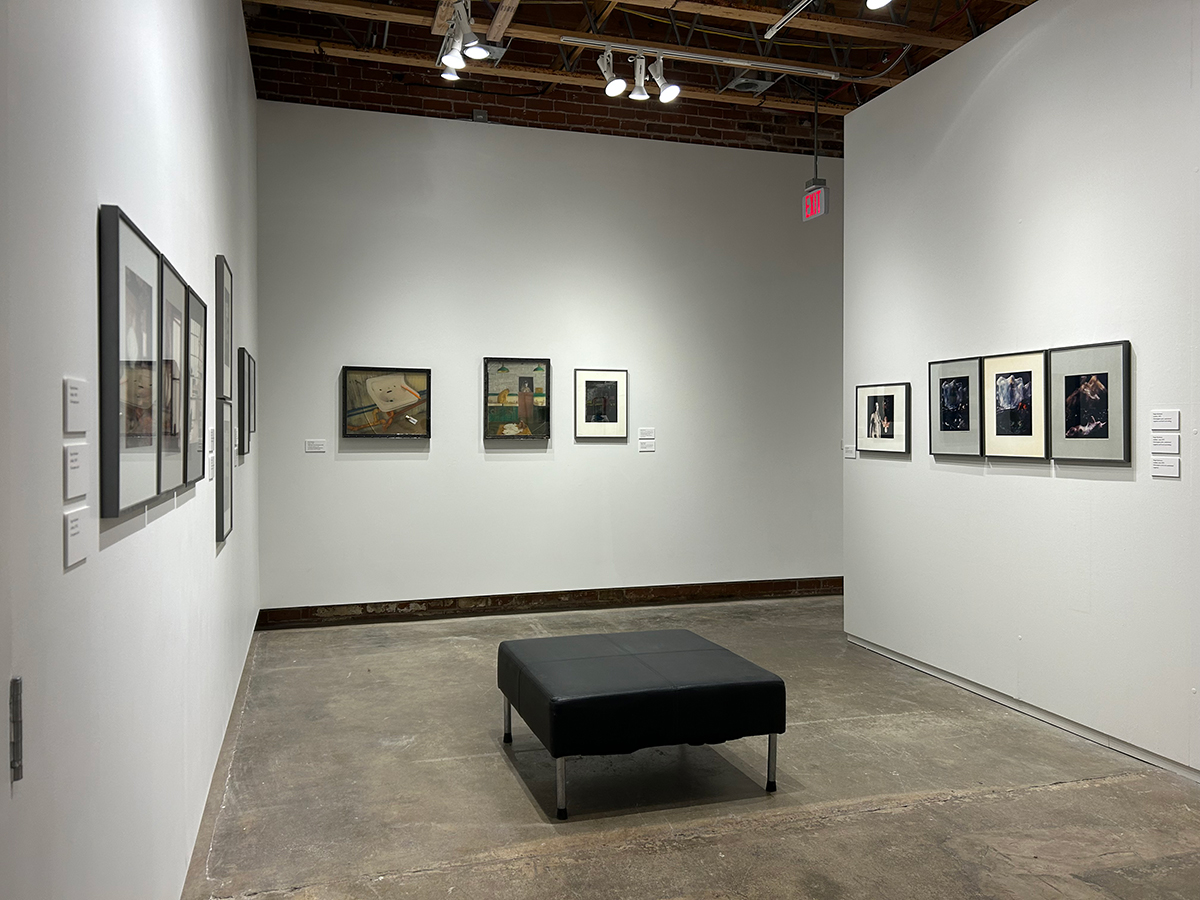
Roger Buchanan view